Growing Cucumbers in a Countertop Hydroponic Garden
Cucumbers need compact varieties, a trellis, steady pruning, and early picking. Learn how to grow them indoors and when to move them out.
Cucumbers can be grown in a countertop hydroponic garden, but only if you pick the right variety and stay ahead of the vines. These are vigorous climbing plants that want more root room and more vertical space than most countertop units offer. Choose a compact, self-pollinating variety, give the vine something to climb from the start, prune it hard, and pick the fruit while it is still small. If the plant outgrows the unit, move it to a large pot rather than fighting it.
The advice below applies to any countertop hydroponic garden, whether it is an AeroGarden or another brand. The principles are the same: limited root volume, a fixed light hood, and a small footprint.
Choosing a Variety That Fits
Not every cucumber belongs on a counter. Standard slicing cucumbers and most pickling types are field vines that run several feet and set fruit with the help of pollinators. Indoors you have no bees, so you need a variety described as parthenocarpic, meaning it sets fruit without pollination. Look for seed packets or starter pods labelled compact, bush, or container-friendly.
Avoid anything described as a long-vined or main-crop variety. Those are the ones that wrap around the light hood within weeks.
If you are starting from seed, germinate in a damp paper towel or a small cube, then move the seedling into the garden once the first true leaves open. If you are using pre-seeded pods, thin to the strongest seedling as soon as the second set appears. Cucumbers resent crowding, and two vines in one basket will compete for the same small root zone.
Setting Up the Garden
Plant one cucumber per basket, and no more than one or two baskets per countertop unit. A single healthy vine will fill the space. Give it the centre position if your light hood is fixed, so the vine has room to spread in every direction.
Start the nutrient schedule at the strength your garden's manual recommends for fruiting plants, and follow it rather than guessing. Cucumbers are heavy feeders, but overfeeding in a small reservoir causes more problems than it solves. Top up the water when the level drops, and check that the pump is moving water freely. Roots that sit in still, warm water invite rot.
Giving the Vine Something to Climb
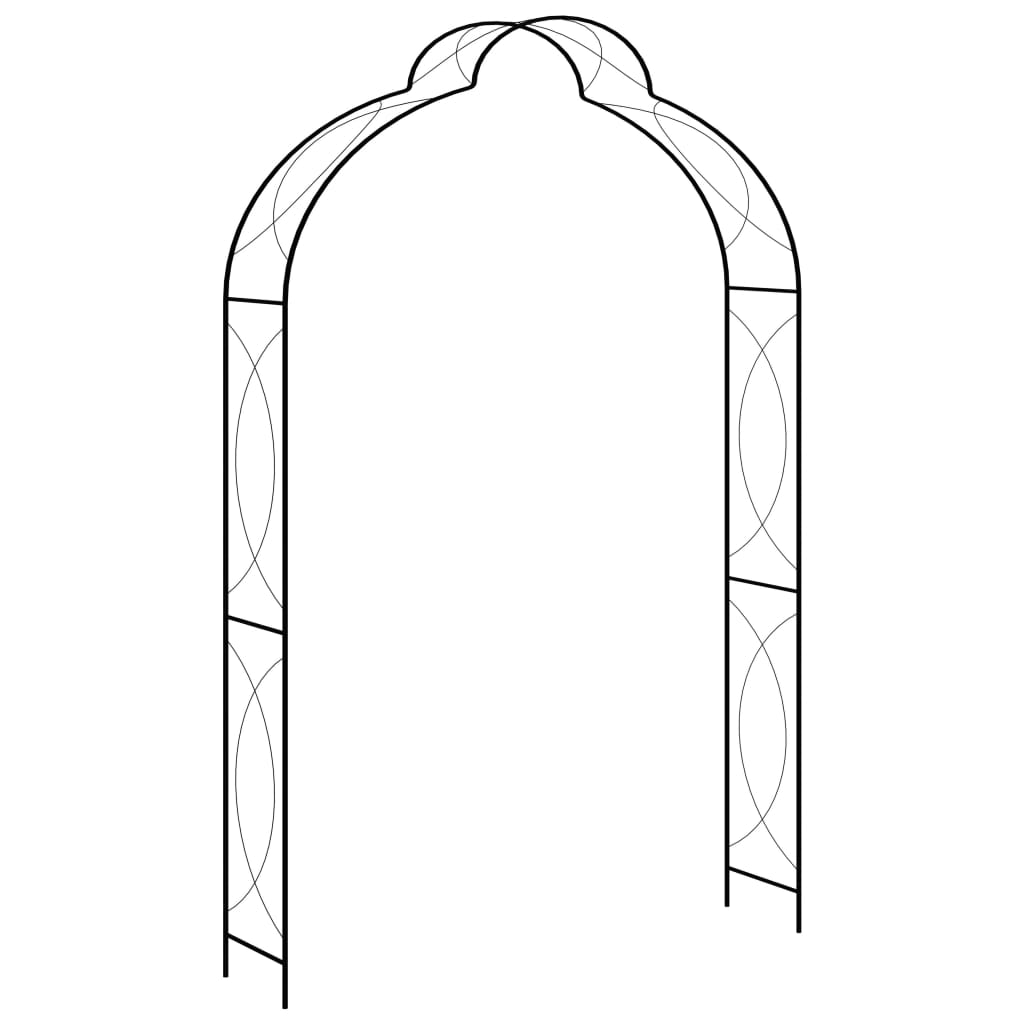
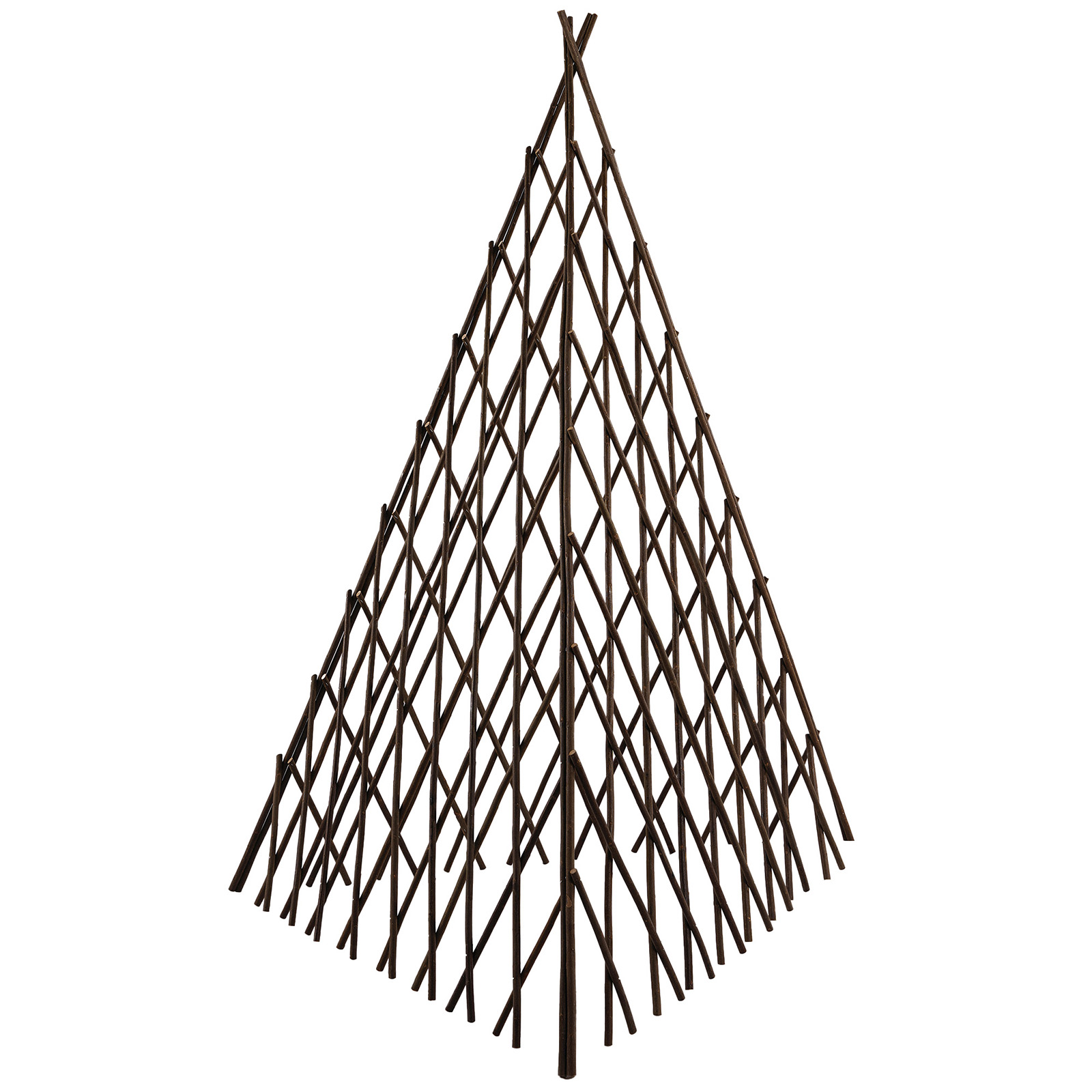
A cucumber left to sprawl will tangle with the light hood and shade its own leaves. Set up a support the day you plant, not later. A slim trellis, a taut string running up to a hook, or a small cage all work. You can find suitable options in our plant supports and trellises collection.
As the vine grows, wind it gently around the support by hand. Cucumber stems are brittle and snap if you force them. Check the vine every few days and tuck new growth back onto the support before it reaches the light.
If your unit has an adjustable hood, raise it as the vine climbs. If the hood is fixed, you will eventually run out of headroom. That is the point at which a large pot becomes the better home.
Pruning to Keep It Manageable
Cucumbers produce a main stem and side shoots. The side shoots are where most of the tangled growth comes from. Pinch them off when they are small, leaving the main stem to climb. This keeps light reaching the lower leaves and reduces the tangle around the hood.
Use clean, sharp snips rather than tearing with your fingers. A pair of pruners or garden scissors makes quick work of side shoots and any yellowing lower leaves. Cut just above a leaf node. Remove any leaf that is touching the light or sitting in the reservoir.
Once the vine reaches the top of your support, pinch the growing tip. This stops it from running into the light and pushes energy into the fruit already set.
Pollination and Fruit Set
If you chose a parthenocarpic variety, you do not need to hand-pollinate. Fruit will set on its own. If you are unsure whether your variety needs pollination, watch the first flowers. If small fruits form and then yellow and drop, the flowers were not pollinated. You can try transferring pollen between flowers with a soft brush, but the simpler fix is to switch to a parthenocarpic variety next time.
Harvest cucumbers young, while they are still firm and before the skin dulls. Small fruit tastes better and puts less strain on a small root system. Leaving fruit to swell on the vine slows new flower production and pulls energy the plant needs elsewhere. Check daily once fruiting starts, because cucumbers can size up quickly in warm indoor conditions.
Common Problems and What Causes Them
| Problem | Likely cause | What to do |
|---|---|---|
| Vine wilts despite full reservoir | Root rot from warm, still water | Empty and refill the reservoir, check the pump, remove brown mushy roots |
| Leaves yellow low on the vine | Shading and normal ageing | Snip the yellow leaves, prune side shoots to open the canopy |
| Flowers drop without fruit | Variety needs pollination | Hand-pollinate with a soft brush, or replant with a parthenocarpic type |
| Fruit is bitter or misshapen | Stress from heat, uneven water, or missed harvest | Keep the reservoir topped up, harvest earlier, move the unit away from hot windows |
| Vine stops growing | Root-bound in a small basket | Move the plant to a larger container |
| White crust on the basket rim | Nutrient salts drying at the surface | Wipe the rim, follow the manual's schedule rather than adding extra |
| Leaves scorched at the top | Vine pressed against the light hood | Raise the hood or pinch the growing tip |
When to Move a Cucumber to a Pot
A countertop garden is a starting space, not a permanent home for most cucumbers. Move the plant out when the roots fill the basket, when the vine has reached the top of your support with nowhere left to climb, or when the reservoir needs topping up more than once a day. Any of those signals means the plant has outgrown the unit.
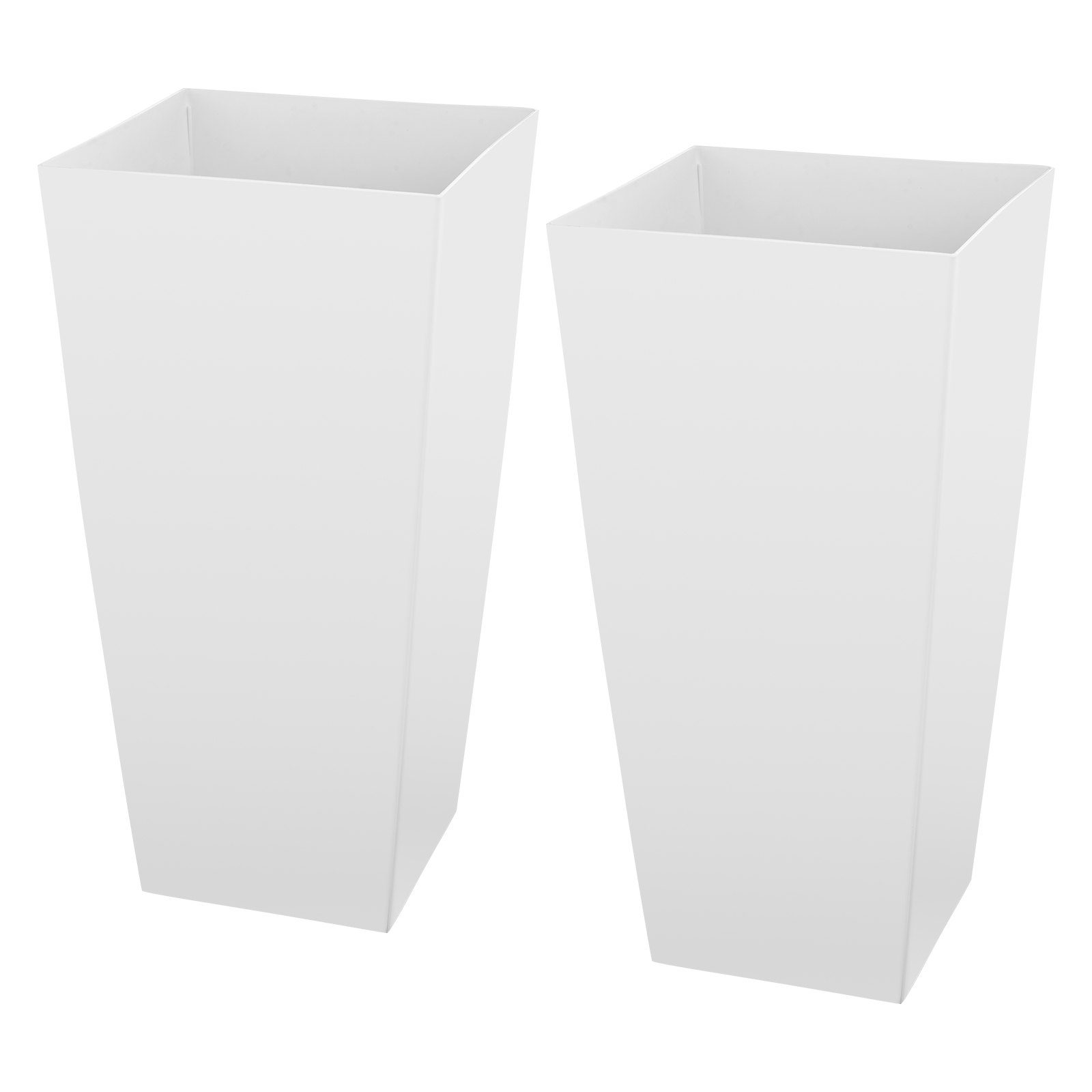
Transplant into a large pot with fresh, well-draining mix. You can find suitable containers in our planters and pots collection. Keep the root ball intact, water it in, and give it a bright spot indoors or a sheltered place outdoors once it has hardened off. A cucumber moved early settles faster than one left to struggle.
If you enjoy growing fruiting plants indoors, the same principles apply to other crops. Our guide to growing tomatoes in a countertop garden covers the pruning and support routine for another heavy feeder. If you would rather grow something that stays put, growing and harvesting lettuce is a much better match for a small unit.
Keeping the Harvest Coming
Pick every day or two during the fruiting stretch. Cut the stem cleanly rather than pulling, and keep an eye on the vine's overall shape. A cucumber that is pruned, supported, and picked young will keep producing for a while. One that is left to sprawl will stop setting new fruit and start shading its own leaves.
Expect the plant to slow down after a stretch of steady picking. That is normal. At that point you can either move it to a pot to finish outdoors, or pull it and start a fresh pod. Cucumbers are fast enough that a new start is often simpler than nursing an exhausted vine.
Common questions
- Can you really grow cucumbers in an AeroGarden?
- Yes, but only compact, parthenocarpic varieties, and only for a limited time. A countertop unit gives the seedling a clean start, then the vine usually outgrows it. Plan to move the plant to a large pot once the roots fill the basket or the vine reaches the top of its support.
- Why are my cucumber flowers falling off without fruit?
- The most common reason indoors is that the variety needs pollination and there are no bees. Small fruits form, then yellow and drop. You can hand-pollinate with a soft brush, but switching to a parthenocarpic variety solves it permanently.
- How do I stop cucumber vines from taking over the light hood?
- Set up a trellis or string on planting day and wind the vine onto it by hand every few days. Pinch off side shoots while they are small, and pinch the main growing tip once it reaches the top of the support. That keeps growth away from the light.
- When should I pick the cucumbers?
- Pick them young, while they are firm and the skin is still bright. Small fruit puts less strain on a small root system and keeps new flowers coming. Check daily once fruiting starts, because they size up quickly in warm indoor conditions.
- Should I move my cucumber out of the countertop garden?
- Move it when the roots fill the basket, when the vine has nowhere left to climb, or when you are topping up the reservoir more than once a day. Transplant into a large pot with fresh mix and keep the root ball intact. An early move settles better than a late one.
AeroGarden is a trademark of its owner. My Garden and Lawn is not affiliated with it and does not sell AeroGarden units; the advice here applies to any countertop hydroponic garden.