Growing Tomatoes in a Countertop Hydroponic Garden
Practical steps for growing dwarf and cherry tomatoes in a countertop hydroponic garden, from pollination to pruning and support.
Tomatoes can grow in a countertop hydroponic garden, but only the right kinds. Choose dwarf or cherry varieties, give each plant its own space, and plan to pollinate by hand. Full-size tomatoes need more root room and light than a countertop unit can give, so they sulk, drop blossoms, or set no fruit. The advice below applies to any countertop hydroponic garden, whether you use an AeroGarden or another brand.
Pick the right tomato for the space
Dwarf and cherry types stay compact and set fruit under the modest light of a countertop unit. Look for seed packets labeled dwarf, patio, tiny, or basket. A cherry tomato that stays under a couple of feet tall is a good bet. A beefsteak or a full-size slicing tomato is not. It will grow leaves, climb past the lamp, and give you little or nothing.
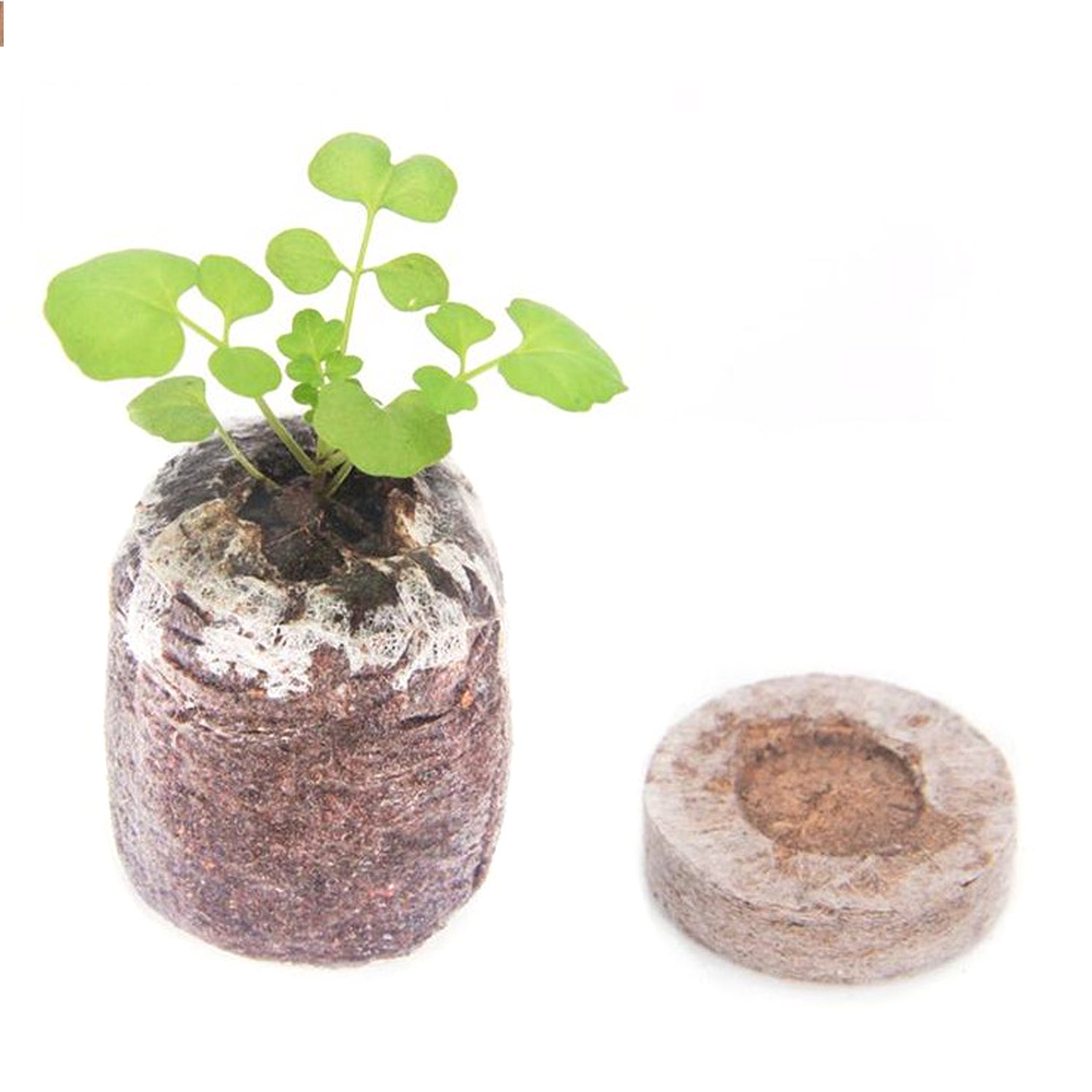
If you start from seed, use small starter plugs and keep the dome on until the seedlings stand up. A seed starting supplies kit with fresh plugs and a small heat mat helps germination stay even. You can also buy pre-seeded pods made for your garden, but check the variety before you plant. A pod meant for a full-size tomato will outgrow the unit.
How many plants per garden
One tomato plant per garden is often enough. Two is the practical limit in a wide countertop unit, and only if both are dwarf or cherry types. More than that and the plants shade each other, the roots tangle, and air cannot move between the leaves. Crowding also makes it hard to see the flowers, which you need to pollinate.
If you want a second crop, grow it in a separate unit or wait until the first plant is finished. Trying to fit three or four tomatoes into one reservoir is the most common reason countertop tomato plants stay small and fruitless.
Pollination without bees
Indoors there are no bees, no wind, and no insects to move pollen from flower to flower. You have to do it. When a flower truss opens, tap the stem or the truss gently with your finger. Do this every day or two while flowers are open. A small soft brush works too: touch it to each open flower in turn.
The best time is when the flowers are fully open and the pollen looks dry and powdery. Tap in the middle of the day. If you tap too early, the pollen may not be ready; too late, and the flower may have already closed. A gentle flick is enough. You are not trying to knock the flower off.
Pruning for light and air
Tomatoes grow fast. Left alone, a countertop plant becomes a thicket that blocks its own light. Pinch out the small shoots that grow in the crook between a leaf and the main stem. These are suckers. Removing them keeps the plant to one or two main stems and sends energy to the fruit.
Also remove the lowest leaves once they yellow or touch the rim of the garden. That opens the lower part of the plant to air and makes it easier to see when fruit is ready. Use clean, sharp snips. A pair of pruners and garden scissors kept for plant use only makes clean cuts and reduces the chance of disease. Wipe the blades with rubbing alcohol between plants if you have had problems before.
Do not strip too many leaves at once. The plant needs leaves to make sugar for the fruit. Take a few at a time, and only the ones that are yellow, damaged, or blocking light.
Supporting the stems
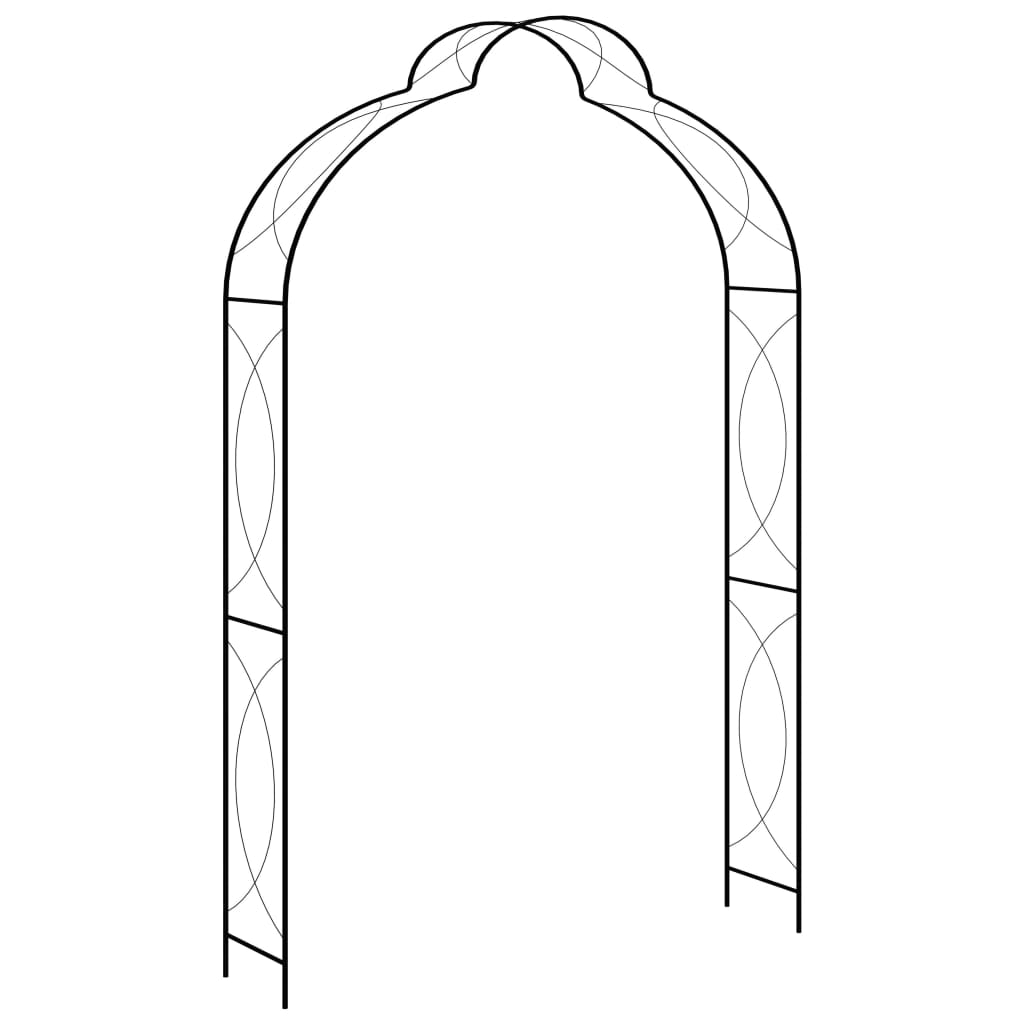
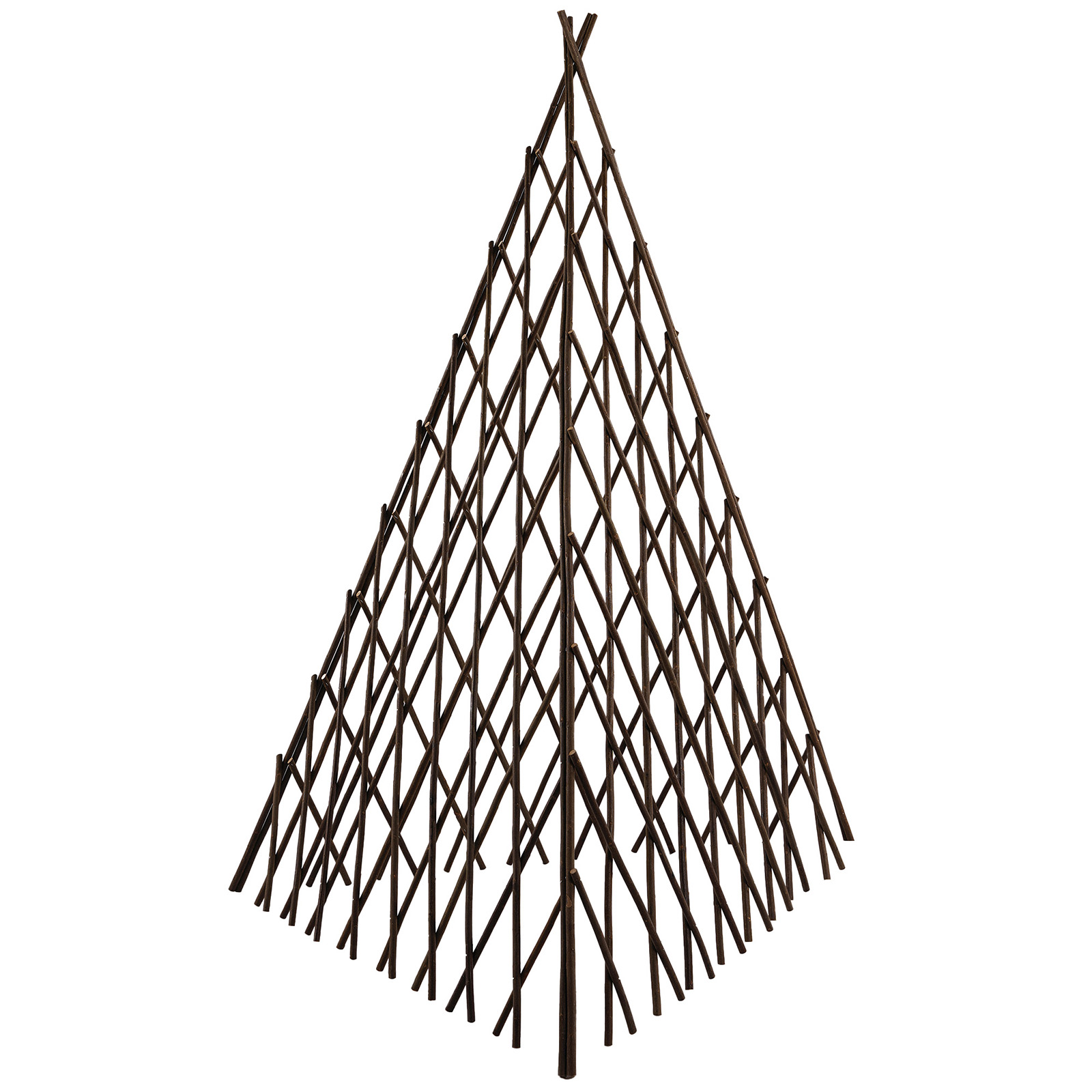
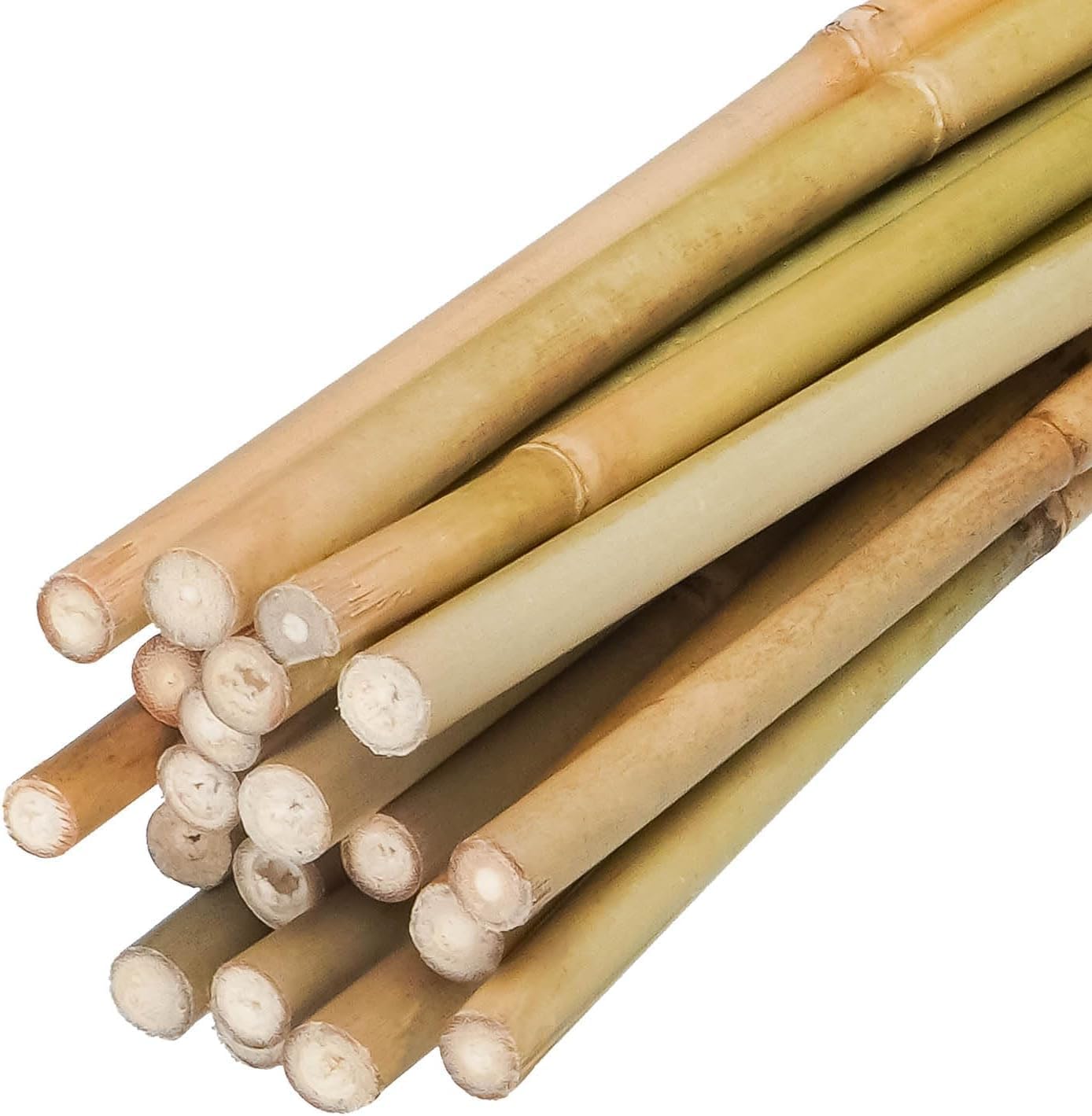
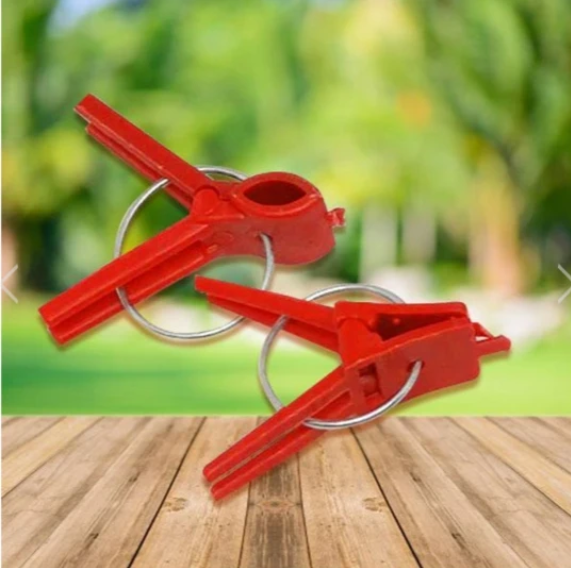
As fruit sets, the stems get top-heavy and start to lean. A leaning stem shades its own lower leaves and can snap. Support each main stem early, before it needs it. A small stake, a clip, or a soft tie works. Loop the tie loosely around the stem and the support so the stem can still move a little.
A plant supports and trellises set sized for a countertop garden gives you stakes, clips, and ties that fit the small scale. Check the ties every week or so. A tie that was loose when you put it on can cut into a stem as the plant thickens.
Raising the light
Countertop gardens have a lamp that sits close to the plants. As the tomato grows, raise the lamp so the top leaves stay a hand's width or so below it. If the light is too close, leaves curl or scorch. If it is too far, stems stretch and the plant gets leggy.
Check the height every few days during fast growth. Once the plant is tall, you may need to raise the lamp to its highest setting and still pinch the top to keep it under the light. Pinching the growing tip also encourages side shoots and more flowers.
Water, nutrients, and roots
Follow the nutrient schedule in your garden's manual. Do not guess at doses. Top up the reservoir when the level drops, and change the water on the schedule the manual gives. Tomato roots fill the basket quickly. When they do, the plant drinks more, so check the water more often.
Keep the roots out of strong light. If the basket is open and light reaches the roots, they can grow algae. A small cover or a pinch of fresh plug material around the stem helps.
Common problems and what causes them
| Problem | Likely cause | Fix |
|---|---|---|
| Flowers drop without fruit | No pollination, or too much heat from the lamp | Tap the trusses daily; raise the lamp a little |
| No flowers at all | Too much nitrogen, or not enough light | Follow the manual's nutrient schedule; raise the lamp only if leaves scorch, otherwise keep it close |
| Yellow lower leaves | Normal aging, or crowded roots | Remove the yellow leaves; check that only one or two plants share the reservoir |
| Leggy, stretched stems | Lamp too far above the plant | Lower the lamp so the top leaves sit close but do not touch |
| Blossom end rot | Calcium movement disrupted by uneven watering | Keep the reservoir topped up; do not let it run dry |
| Small or no fruit | Full-size variety in a small garden | Switch to a dwarf or cherry type next round |
| Stems leaning or snapping | Fruit weight with no support | Tie the stem to a stake early |
| Algae on the plug | Light reaching the wet surface | Cover the plug with a small cap or fresh plug material |
When to start over
A countertop tomato plant has a season, not a lifetime. When the stems get woody, the leaves stay small, and new flowers stop setting fruit, the plant is done. Pull it, clean the reservoir, and start fresh. If you want to try a different fruiting crop in the same unit, the steps are similar; our guide to growing peppers in an AeroGarden walks through the same ideas for a different plant. And if you plan to reuse your pods, read AeroGarden seed pods: planting, storing and reusing before you plant the next round.
A simple routine
Check the water level every day or two. Tap the flowers when they are open. Pinch suckers once a week. Tie the stem before it leans. Raise the lamp as the plant grows. Remove yellow leaves as they appear. That routine takes a few minutes and keeps a countertop tomato plant productive for its season.
Start with one plant, a dwarf or cherry variety, and a support you can adjust. Give it room, light, and a daily tap, and you will see fruit set where a crowded, unpruned plant would only make leaves.
Common questions
- Can I grow regular tomatoes in an AeroGarden?
- Full-size tomatoes need more root space and light than a countertop unit provides. They usually grow tall, shade themselves, and set little fruit. Choose a dwarf or cherry variety instead. Those stay compact and set fruit under the lamp.
- How do I pollinate tomatoes indoors without bees?
- Tap the flower truss or the stem gently when flowers are open. Do this every day or two while flowers last. A small soft brush also works: touch it to each open flower in turn. Without this, flowers drop and no fruit forms.
- How many tomato plants fit in one countertop garden?
- One is usually enough. Two is the practical limit in a wide unit, and only for dwarf or cherry types. More than that and the plants crowd each other, shade the flowers, and compete for water and nutrients.
- Why are my tomato flowers falling off?
- The most common cause indoors is missed pollination. Tap the trusses daily while flowers are open. Heat from a lamp placed too close can also cause drop, so raise the lamp a little if the top leaves feel warm.
- When should I prune suckers on a countertop tomato?
- Pinch them when they are small, before they grow into full stems. Check the crook between each leaf and the main stem once a week. Removing them keeps light reaching the fruit and air moving through the plant.
AeroGarden is a trademark of its owner. My Garden and Lawn is not affiliated with it and does not sell AeroGarden units; the advice here applies to any countertop hydroponic garden.