Growing Peppers in an AeroGarden
Peppers are slow to start and slow to fruit indoors, but compact chili and small sweet types do well in a countertop hydroponic garden with hand pollination and support.
Peppers will grow in a countertop hydroponic garden, but they take their time. Expect a slow start, a long stretch of leafy growth, and then flowers that need your help to set fruit. Compact chili peppers and small sweet peppers suit these units far better than full-size bell peppers, which want more root room and more light than a countertop garden usually gives.
The advice below applies to any countertop hydroponic garden, whether it carries the AeroGarden name or another label. The plants do not care who made the plastic.
Choose the right pepper first
This is the decision that matters most, and it is the one people rush. A full-size bell pepper plant can reach waist height and spread wider than the garden's footprint. In a small reservoir, its roots crowd everything else, and the plant spends its energy on stems and leaves instead of fruit.
Better choices for a countertop unit:
- Small hot chilies, the kind that ripen red and fit in a thumbnail
- Compact sweet peppers, often sold as mini or lunchbox types
- Dwarf or patio varieties bred to stay short
- Any pepper described as suitable for containers
Avoid anything described as a main-season field variety. Those are bred for garden rows and long summers.
Starting seeds and setting pods
You can start pepper seeds in your own pods or buy pre-seeded ones. Pepper seeds germinate slower than basil or lettuce, often taking a couple of weeks, and they germinate more reliably when the pod stays warm. If your garden has a germination setting, use it. Otherwise, keep the room warm and be patient.
Plant more seeds per pod than you would for herbs, then thin to the strongest seedling once the first true leaves open. Peppers resent root disturbance, so snip the extras at the base rather than pulling them.
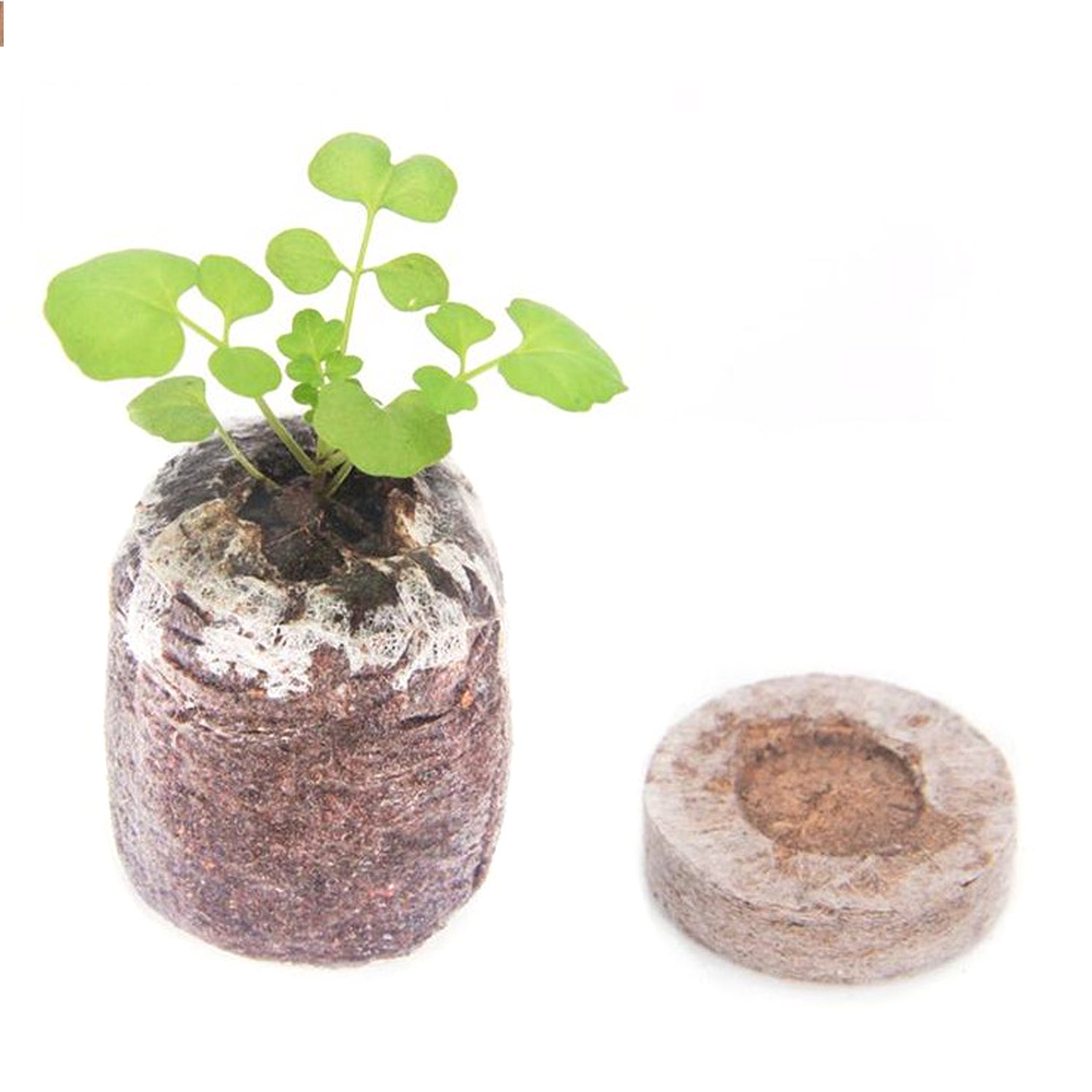
If you are reusing pods or storing extras, our guide to seed pods for countertop gardens covers planting, storing and reusing them without wasting a tray. Fresh seed starting supplies make the first weeks easier, especially small domes that hold humidity while the seeds are still underground.
Light, spacing and the long vegetative stage
Peppers want more light than leafy herbs. Run the lamp for the full recommended period in your garden's manual, and raise the hood as the plants grow so the top leaves sit close to the light without touching it.
Spacing matters more than most people expect. A single pepper plant can fill a small garden on its own. In a wider unit, give each pepper a gap of empty pod between it and its neighbour. Crowded peppers stretch, shade each other, and set fewer flowers.
Expect weeks of stem and leaf growth before the first buds appear. That is normal. Peppers build a framework first.
Hand pollination is not optional indoors
Indoors there is no wind and no insects. Flowers open, sit there, and drop without setting fruit. You have to move the pollen yourself.
A small soft brush works well. So does a cotton swab, or simply tapping the stem just below an open flower. Do it in the middle of the day when the flowers are fully open, and repeat every day or two while new flowers keep coming.
Move pollen from flower to flower rather than working one flower alone. Peppers mostly pollinate themselves, but a little movement between blooms improves the set.
Pruning, pinching and shaping
A pepper plant in a small garden benefits from being kept to a manageable shape. Pinch the growing tip once the plant has a few sets of leaves. It will branch, and branches are where flowers form.
Remove leaves that sit low enough to touch the deck or block light from the pods. Remove any yellowing leaves promptly. If the plant becomes dense in the middle, thin it so air moves through.
Use clean, sharp pruners and garden scissors for this. A ragged cut on a soft stem invites problems.
Once fruit starts to form, stop heavy pruning. The plant needs its leaves to feed the peppers.
Supporting branches that carry fruit
Peppers set fruit at the ends of thin branches, and a handful of peppers is real weight. Without support, branches bend, kink, and sometimes snap.
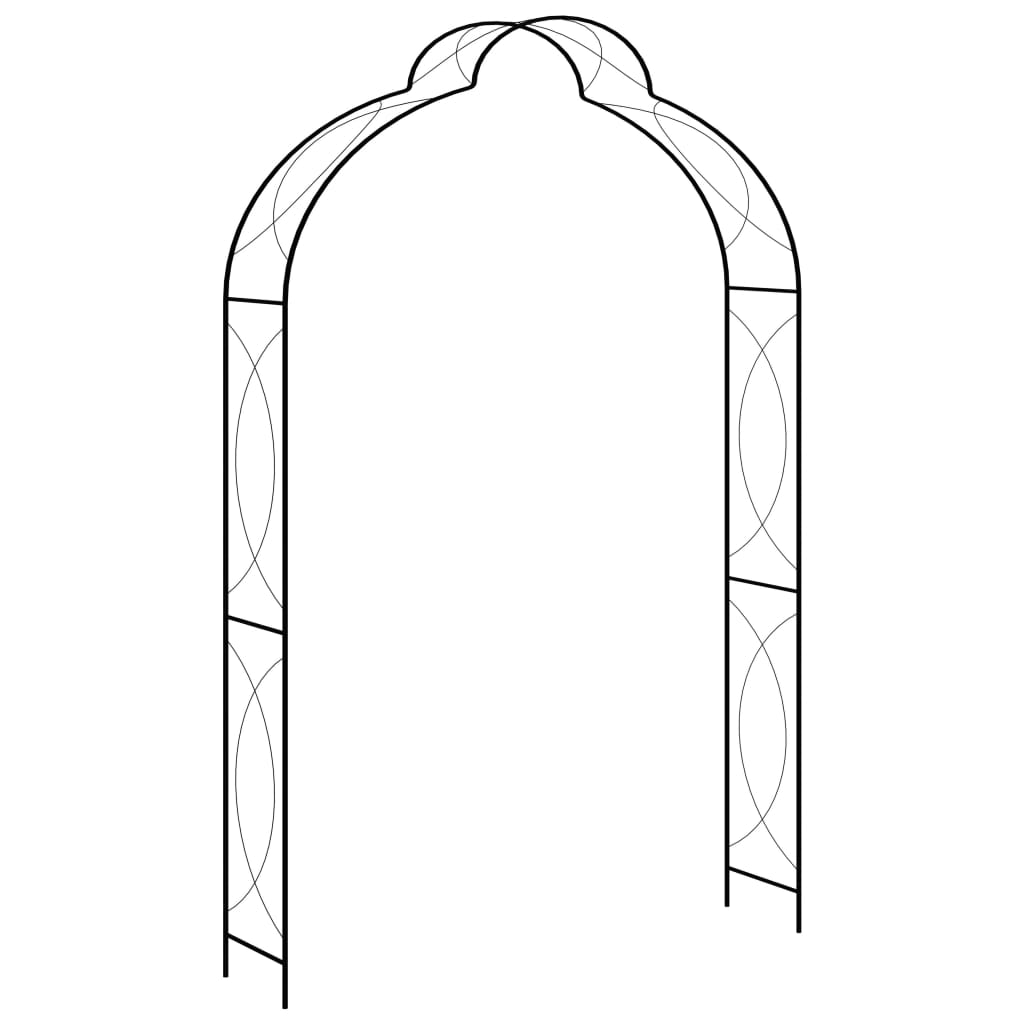
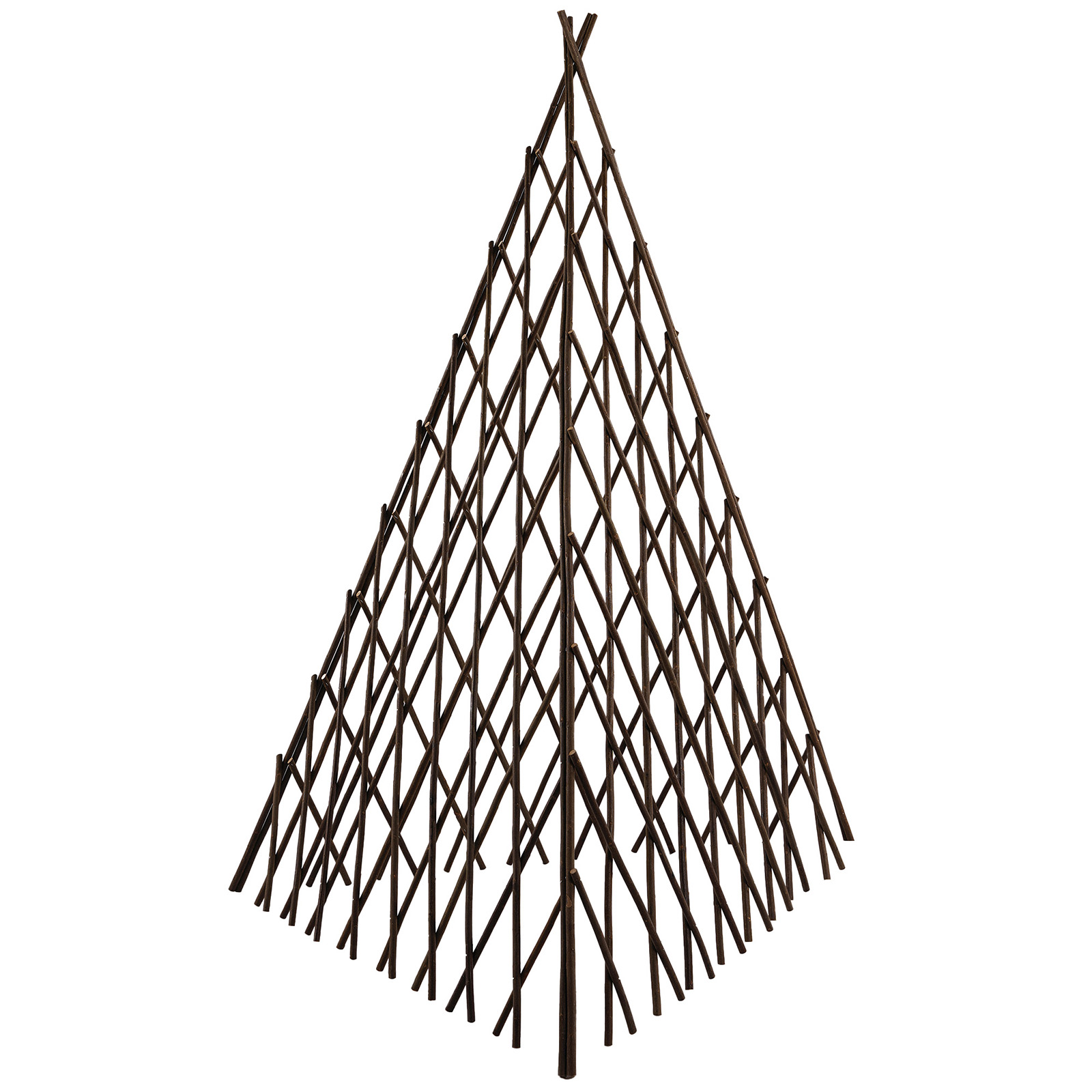
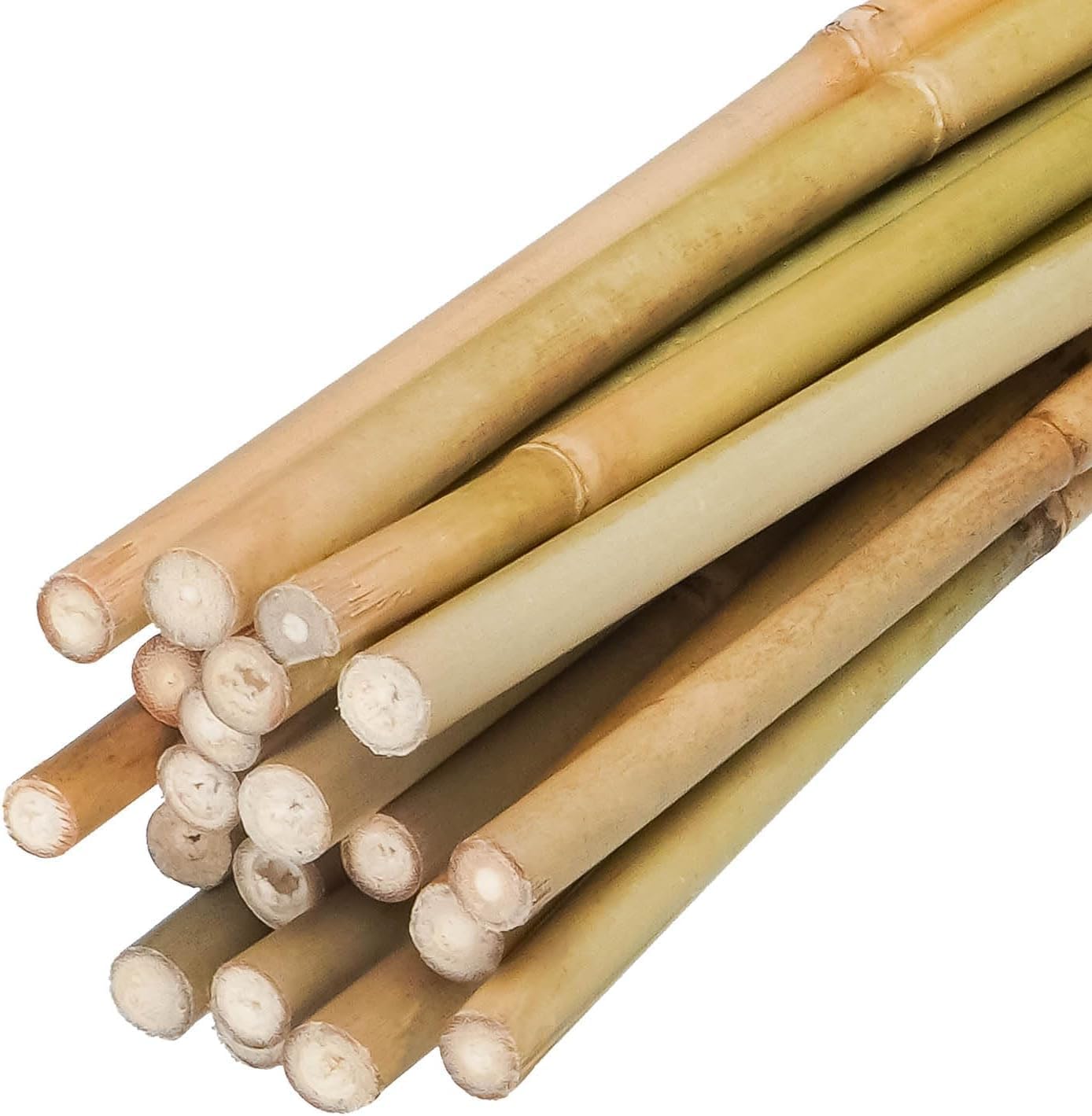
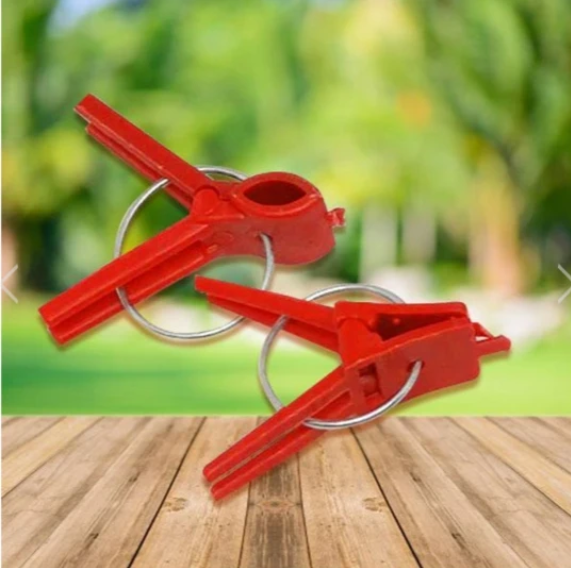
A simple stake pushed into the pod or the deck, tied loosely to the main stem with soft twine, solves most of it. For sprawling plants, a small ring or cage works better than a single stake. Our plant supports and trellises are sized for countertop gardens rather than outdoor beds.
Tie loosely. A stem that is pinched against a stake cannot thicken as it grows.
Water, nutrients and roots
Top up the reservoir when the level drops. Peppers in a small volume of water drink steadily once they are fruiting, and a low reservoir concentrates the nutrient solution.
Follow the nutrient schedule in your garden's manual. Do not invent your own strength. If leaves cup downward and edges look burnt, the mix is probably too strong; if the plant is pale and slow, it may be too weak. Change the water on the schedule your manual gives.
Pepper roots are thick and fill a basket quickly. Once they fill it, the plant is working at capacity, and that is a good sign rather than a problem.
Common problems and what causes them
Flowers open, then drop without fruit
Usually missing pollination. Start brushing or tapping daily. A sudden change in room temperature, or a hot lamp too close to the flowers, can also cause drop. Move the hood up a notch and keep the room steady.
Buds form but never open
Often too little light, or a plant that is still too young and thin to carry fruit. Give it more time under full light and keep pinching tips to build a sturdier frame.
Leaves are large, dark and glossy, but no flowers
Too much nitrogen relative to everything else. This happens when the nutrient mix is stronger than the schedule calls for. Refresh the reservoir and mix to the manual's rate.
Leaf edges brown and crisp
The lamp is too close, or the reservoir ran low and the nutrient concentration climbed. Raise the hood and top up.
Stems are long and the plant leans toward the light
The hood is too high for the plant's stage. Lower it so the top leaves sit near the light without touching it, and rotate the pod if your garden allows.
Fruit is small or slow to colour
Normal for indoor peppers, especially in a small reservoir. Ripening takes a long stretch of weeks. Pick the first fruits a little early if the plant is struggling to carry them all.
Sticky residue or tiny insects on leaf undersides
Pests travel indoors on clothes and new plants. Wipe leaves, isolate the affected plant if you can, and keep the area clean. Check undersides weekly so you catch it early.
Roots are brown and soft rather than white and firm
Usually a sign the water is stale or too warm. Change the reservoir, clean it, and keep the garden out of direct sun.
A quick comparison of what to grow
| Pepper type | Suits a countertop garden? | What to expect |
|---|---|---|
| Small hot chilies | Yes, among the best choices | Compact plant, many flowers, slow but steady fruiting |
| Mini sweet peppers | Yes | Short plant, few fruits at a time, needs support |
| Dwarf or patio varieties | Yes | Bred to stay small, manageable in a small reservoir |
| Full-size bell peppers | Usually not | Tall, wide, heavy fruit, wants more root room and light |
| Long-season field varieties | No | Outgrows the unit before it fruits |
If you also grow tomatoes
Tomatoes and peppers share the same indoor challenges: hand pollination, support, and a reservoir that empties fast once fruit sets. If you are running both, our guide to growing tomatoes in a countertop garden covers the same ground from the tomato side, and the pollination routine is nearly identical.
What a realistic timeline looks like
Germination takes a couple of weeks. Leaf and stem growth fills the next stretch of weeks. Flowers appear after that, and fruit follows only if you pollinate. Ripening from a set fruit to a coloured pepper takes several more weeks.
That is a long season for a countertop garden, and it is the honest picture. Peppers reward patience more than any herb you can grow in the same unit. Start with one compact plant rather than filling every pod, give it the light and the support it needs, and pollinate every flower you see.
Common questions
- Can you really grow peppers in an AeroGarden?
- Yes, and they grow well if you choose a compact type. Small hot chilies and mini sweet peppers suit a countertop unit far better than full-size bell peppers, which get too tall and too wide for a small reservoir. The main jobs are hand pollination and supporting the branches once fruit forms.
- Why are my pepper flowers falling off without making peppers?
- Indoors there is no wind or insects to move pollen, so flowers open and drop without setting fruit. Brush each open flower with a soft brush or tap the stem below it, every day or two while flowers keep coming. A hot lamp too close to the blooms or a sudden temperature swing can cause the same drop.
- How long do peppers take in a countertop hydroponic garden?
- Longer than herbs. Seeds germinate over a couple of weeks, the plant then builds leaves and stems for several more weeks, and flowers come after that. Fruit ripens over a further stretch of weeks. Plan on a slow, steady season rather than a quick crop.
- Do I need to prune pepper plants indoors?
- Pinch the growing tip once the plant has a few sets of leaves so it branches, since flowers form on branches. Remove low leaves that touch the deck and any yellowing growth. Once fruit sets, stop heavy pruning so the leaves can feed the peppers.
- How do I stop pepper branches from breaking under the fruit?
- Stake the main stem or use a small ring around the plant, and tie with soft twine loosely so the stem can still thicken. Peppers set fruit at the ends of thin branches, so a few fruits is real weight. Support early, before the branches start to bend.
AeroGarden is a trademark of its owner. My Garden and Lawn is not affiliated with it and does not sell AeroGarden units; the advice here applies to any countertop hydroponic garden.