How to Grow and Harvest Lettuce in a Countertop Garden
Loose-leaf lettuce thrives in a countertop hydroponic garden. Cut outer leaves often, keep roots clear, and resow for a steady supply.
Loose-leaf lettuce is the easiest crop you can grow in a countertop hydroponic garden, including an AeroGarden. It germinates quickly, tolerates close spacing, and regrows after cutting. The main trick is to harvest a few outer leaves at a time instead of pulling the whole plant, and to keep the roots clear of debris so the plant keeps producing.
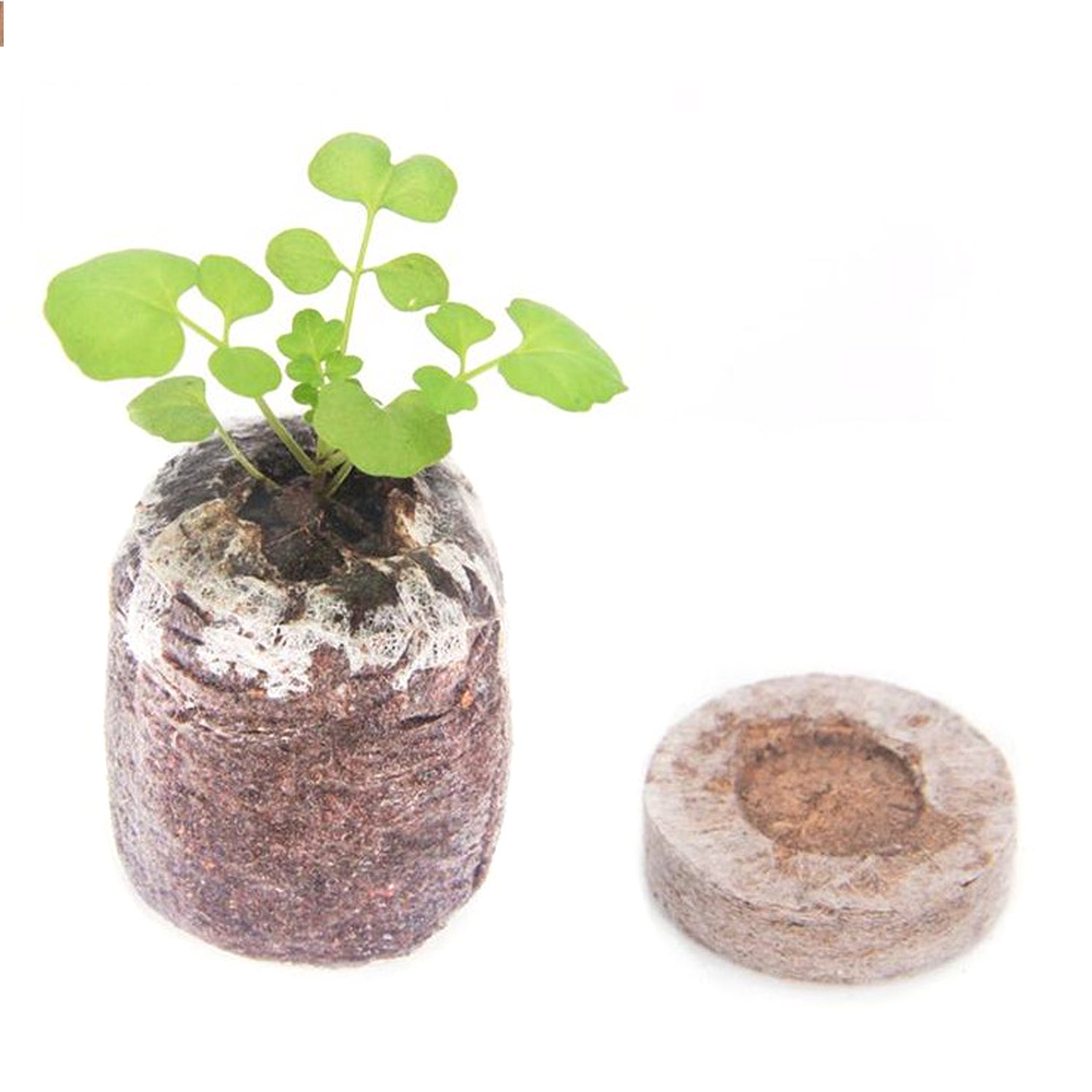
Start with a clean garden. Rinse the basin and basket, then plant your seeds according to the spacing your garden's manual suggests. Lettuce seeds need light to germinate, so press them gently into the growing medium rather than burying them deep. If you are starting seeds outside the garden first, a seed starting supplies tray helps you manage germination before moving seedlings into the countertop unit.
Choosing lettuce and salad greens for a countertop garden
Not every lettuce performs well in a small hydroponic unit. Loose-leaf types are the best choice because you can harvest them leaf by leaf and they recover quickly. Butterhead and romaine can work, but they take longer and need more room. Avoid tight heading types like iceberg; they rarely form a solid head in a countertop garden and often bolt before they fill out.
Good candidates include green and red leaf lettuce, oakleaf, and mesclun mixes. You can also grow mild Asian greens and baby kale alongside lettuce, but keep in mind that stronger greens can shade slower lettuce. If you want a mixed salad, plant lettuce in the front rows and taller greens toward the back.
Planting and early care
Use the seed pods that came with your garden or reusable pods you fill yourself. If you are reusing pods, clean them well and replace the growing medium. The AeroGarden seed pods guide explains how to plant, store, and reuse pods without contaminating your garden.
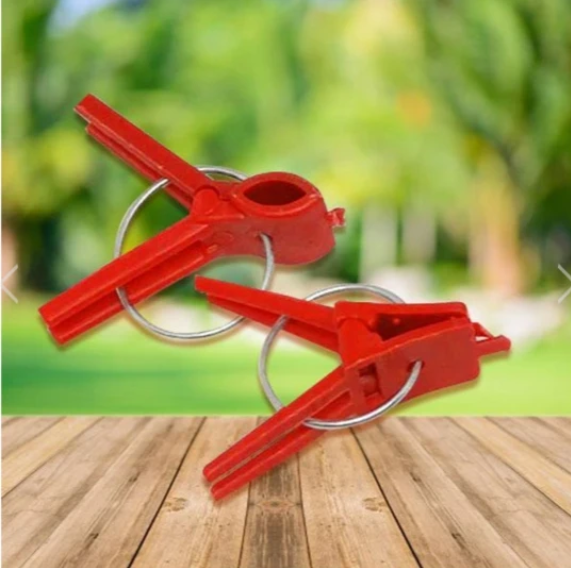
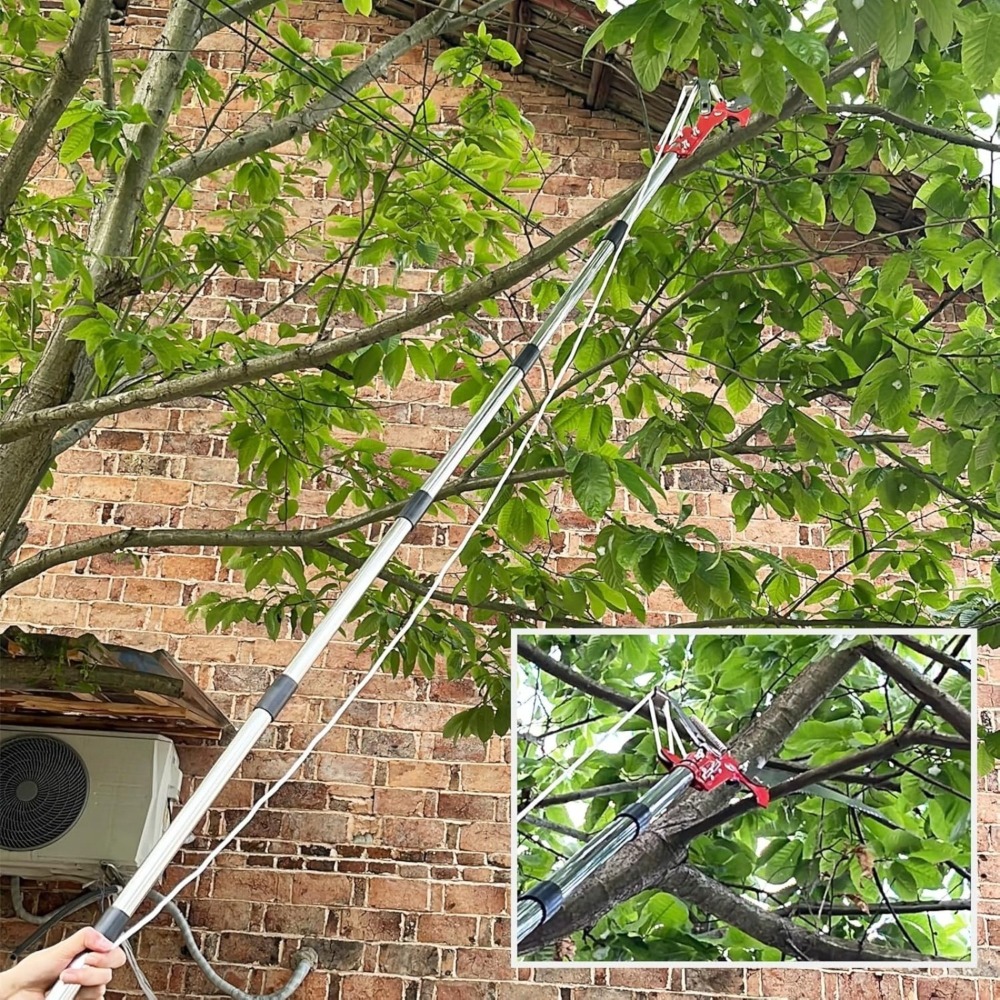
Once seeds sprout, thin them to one strong seedling per pod. Lettuce seedlings are delicate; snip the extras at the base with small scissors rather than pulling, which disturbs the roots of the plant you are keeping. A pair of sharp pruners and garden scissors makes this easy and keeps the cut clean.
Keep the water level where your garden's manual recommends. Lettuce likes consistent moisture but not soggy roots. If your unit has a pump, check that water flows freely and does not splash the leaves. Add nutrients on the schedule in your garden's manual, and resist the urge to overfeed; too much nutrient can burn leaf tips and encourage algae.
Light matters more than most people expect. Lettuce grows well under the countertop garden's built-in light, but it needs enough hours of light each day. Follow the recommended light cycle for leafy greens. If your garden sits near a cold window, move it away from drafts; cold air slows growth and can cause red varieties to stay small.
How to harvest lettuce without killing the plant
Harvesting is where loose-leaf lettuce shines. Wait until the plant has several sets of true leaves and the outer leaves are large enough to eat. Then take only the outermost leaves, cutting them near the base of the plant with clean scissors. Leave the center rosette and at least a few inner leaves untouched. The plant will keep growing from the center, and you can return for another cut in a week or so.
Do not strip the plant bare. If you cut all the leaves at once, the plant has no way to make food and will likely die. A good rule is to never remove more than about a third of the leaves at one time. For a continuous supply, harvest from different pods on different days rather than cutting every plant on the same schedule.
If you prefer a single cut of baby greens, you can snip the whole plant just above the base when it is young. This gives you a one-time harvest, and you can replant the pod. For most people, the cut-and-come-again method is more rewarding because it stretches the harvest over a longer period.
Wash your harvest in cool water and spin or pat it dry. Fresh lettuce is best used soon after cutting, but you can store it in a loosely closed container in the refrigerator for a short time.
Keeping roots clear and the garden clean
Lettuce roots are fine and fibrous. They can tangle with neighboring plants and clog small openings if debris builds up. Every time you change the water, lift the baskets and check the roots. Rinse them gently if they look brown or slimy, and remove any dead root pieces. Trim roots only if they are clearly dead or blocking water flow, and use clean scissors.
Algae is a common nuisance in countertop gardens. It grows when light reaches the nutrient solution. Keep the growing deck covered, and if you see green film on the surface, clean it away and check that no light leaks into the reservoir. A little algae is not fatal, but it competes with your plants and can attract pests.
If you are growing lettuce in a separate pot or planter before moving it, choose a clean container with drainage. The planters and pots collection has options for starting and moving plants, though lettuce is usually happiest staying in the hydroponic garden from seed to harvest.
Common problems and what causes them
Lettuce is forgiving, but a few problems show up again and again. Most are caused by heat, age, or poor airflow.
| Problem | Likely cause | Fix |
|---|---|---|
| Leaves turn bitter | High temperatures, old plant, or stress | Move the garden away from heat sources, harvest younger, and resow |
| Plant bolts (sends up a flower stalk) | Heat or long days, or the plant is simply old | Harvest what you can, then replant; choose bolt-resistant loose-leaf types |
| Brown or slimy roots | Poor water circulation, warm water, or debris | Clean the basin, rinse roots, change water more often, and keep the pump clear |
| Yellow lower leaves | Normal aging or too little light | Remove old leaves and check that the light is on the recommended cycle |
| Small, slow growth | Cool spot, weak light, or overcrowding | Move to a warmer spot, thin seedlings, and give each plant room |
| Algae growth | Light reaching the nutrient solution | Cover open areas and clean the reservoir |
Bitterness is the complaint I hear most. Lettuce is a cool-season crop, and when the room is warm or the plant is old, it turns bitter and bolts. There is no way to reverse that. Cut your losses, enjoy what is still tender, and start new seeds. In warm weather, keep the garden in the coolest spot in the house and harvest earlier.
Bolting is not a disease; it is the plant's natural response to stress or age. Once you see a central stalk rising, the leaves will turn tough and bitter. Pull the plant and replant. If you save seeds, let one plant flower fully, but be aware that it will take up space and may drop seeds into other pods.
Resowing for a steady supply
The best way to keep lettuce on hand is to sow a few pods every couple of weeks. This staggered planting means you always have young, tender leaves coming along while older plants are still producing. When a plant finally slows down or turns bitter, pull it, clean the pod, and start a new seed.
If you grow basil alongside your lettuce, the AeroGarden basil guide shows how to prune and manage a taller plant so it does not shade your greens. Basil and lettuce can share a garden, but basil grows faster and taller, so keep it toward the back and prune it regularly.
Lettuce is a rewarding crop for a countertop garden because it gives you something to cut within a few weeks of planting and keeps going if you treat it well. Harvest a little at a time, keep the roots clean, watch for heat, and replant often. That routine will keep salad greens coming from your garden for months.
Common questions
- How do I harvest lettuce from an AeroGarden without killing the plant?
- Cut only the outermost leaves near the base, leaving the center rosette and several inner leaves intact. Never remove more than about a third of the plant at once. The plant will regrow from the center, and you can harvest again in a week or so.
- Why is my AeroGarden lettuce turning bitter?
- Bitterness usually comes from heat, age, or stress. Lettuce is a cool-season crop, so a warm room or an old plant will turn bitter and may bolt. Move the garden to a cooler spot, harvest younger leaves, and replant when quality drops.
- Can I grow lettuce and basil together in the same countertop garden?
- Yes, but basil grows taller and faster, so place it toward the back and prune it regularly to keep it from shading the lettuce. Lettuce prefers cooler conditions, so keep the garden away from heat sources. Both can share the same nutrient schedule.
- How often should I change the water in my hydroponic lettuce garden?
- Follow the schedule in your garden's manual. As a general habit, change the water when it looks cloudy or when you add fresh nutrients. Lettuce roots stay healthier when the water is clean and the pump is flowing freely.
- What causes brown roots on hydroponic lettuce?
- Brown or slimy roots often mean poor water circulation, warm water, or debris buildup. Clean the basin, rinse the roots gently, and remove dead pieces. Keep the pump clear and change the water on schedule to prevent the problem.
AeroGarden is a trademark of its owner. My Garden and Lawn is not affiliated with it and does not sell AeroGarden units; the advice here applies to any countertop hydroponic garden.