How to Grow Strawberries in an AeroGarden
Grow everbearing or alpine strawberries indoors by hand-pollinating, trimming runners, and moving crowded plants to pots.
Strawberries can grow in a countertop hydroponic garden, but they need a different approach than lettuce or basil. Choose everbearing or alpine types, pollinate the flowers by hand, and plan to move each plant to its own pot once the roots fill the basket. Fruit will be smaller than field-grown berries, and the plants will not live forever in the garden, but a healthy plant can keep producing for many months.
Choosing the right strawberry type
Not all strawberries suit a small indoor garden. June-bearing types produce one heavy crop and then stop, which wastes space. Everbearing and day-neutral types flower and fruit over a longer period, and alpine strawberries stay compact and tolerate lower light. Buy seed or started plants from a supplier who labels the type clearly. If you start from seed, expect slow germination and a long wait before the first flower. Many gardeners find it faster to begin with a small plant or a runner that already has roots.
Starting strawberries from seed
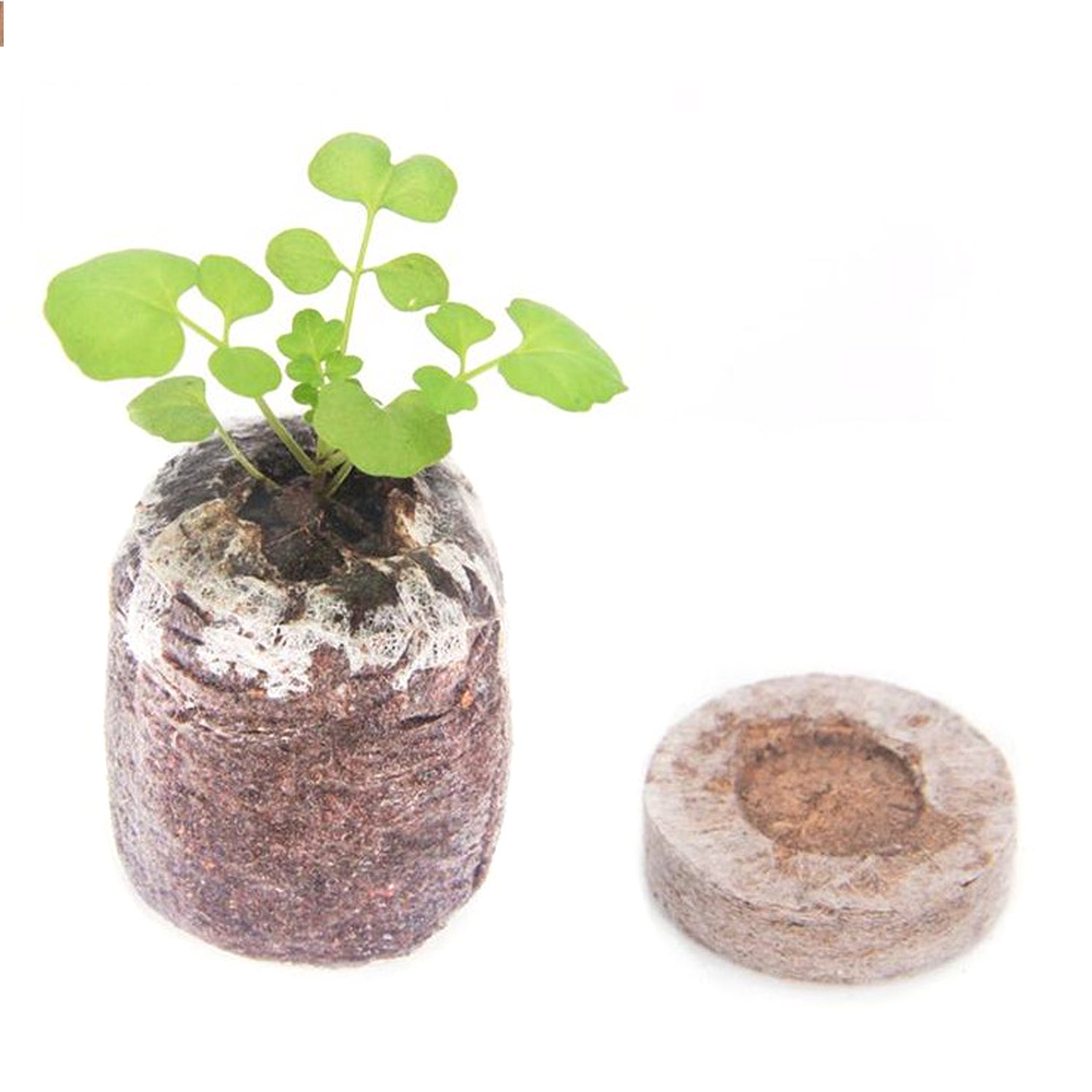
Strawberry seed is tiny and slow. Surface-sow it onto a moist seed-starting mix and press it in gently; light helps germination. Keep the medium damp but not soggy, and keep the tray warm. Germination can take a few weeks, and the seedlings grow slowly at first. When the first true leaves open, thin to the strongest seedling. If you plan to grow several plants, use seed starting supplies to keep the process clean and organised. Once a seedling has a few sets of leaves and a small root ball, it can go into a hydroponic basket.
Planting into the hydroponic garden
Use a basket that fits your garden and fill it with the growing medium recommended in your garden's manual. Set the seedling so the crown, where the leaves meet the roots, sits just above the medium. Burying the crown invites rot. Add water and follow the nutrient schedule in your garden's manual. Strawberries prefer consistent moisture and steady feeding, but too much nutrient can burn the roots. If you are reusing baskets or starting from pods, the guide to AeroGarden seed pods explains planting, storing, and reusing them. Keep the light close enough that the leaves do not stretch, and give the plants room; a strawberry that touches its neighbour will shade it.
Pollinating by hand
Indoors there are no bees, so you must move pollen yourself. Use a soft brush or a clean cotton swab. Touch the centre of each open flower, then move to the next flower, and repeat every day or two while flowers are open. Pollinate flowers on different plants if you have more than one, because that improves the set. A flower that is not pollinated will dry up and drop without fruit. Do this gently; the flower parts are delicate. Hand pollination is the single most important job for getting berries indoors.
Trimming runners and old leaves
Strawberries spread by runners, which are long stems that end in a new plant. In a small garden, runners steal energy from fruit and crowd the basket. Cut them off close to the parent plant with clean, sharp snips. Remove old, yellow, or damaged leaves at the same time, and take out any leaf that lies on the medium. Good airflow around the crown reduces mould. A pair of pruners and garden scissors kept for indoor use makes this quick and keeps cuts clean. Trim little and often rather than stripping the plant at once.
Why fruit can be small
Small fruit is normal indoors. A countertop garden has less light and less root room than a field, so the plant cannot size up berries the way an outdoor plant does. Thin the flowers so each plant carries only a few fruits at a time; the remaining berries get more of the plant's energy. Keep the light close, feed on schedule, and do not let the roots dry out. If fruit is small and the leaves look pale, the plant may need more light or a nutrient top-up. If fruit is small and the plant is huge, the roots are probably crowded.
When to move a plant to a pot
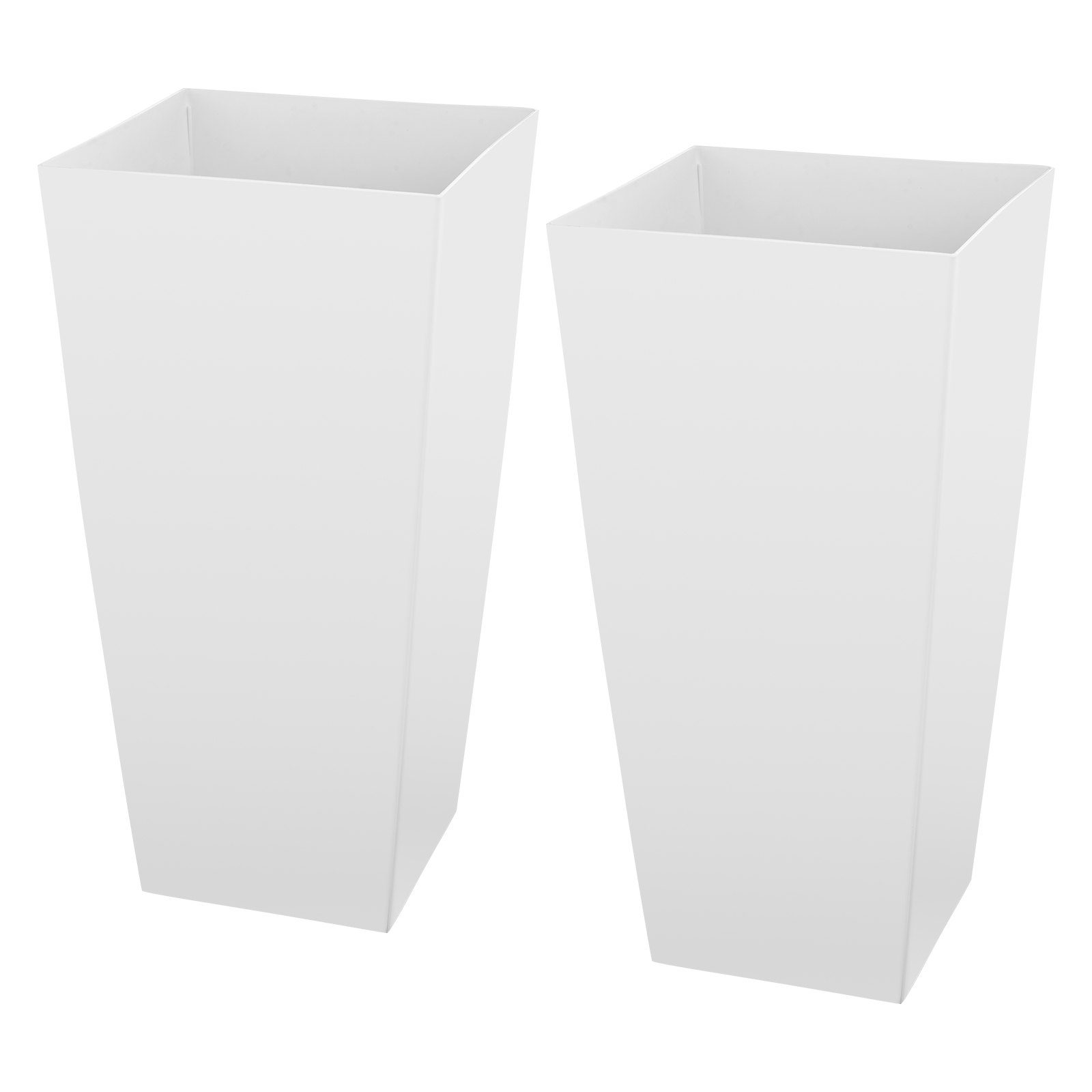
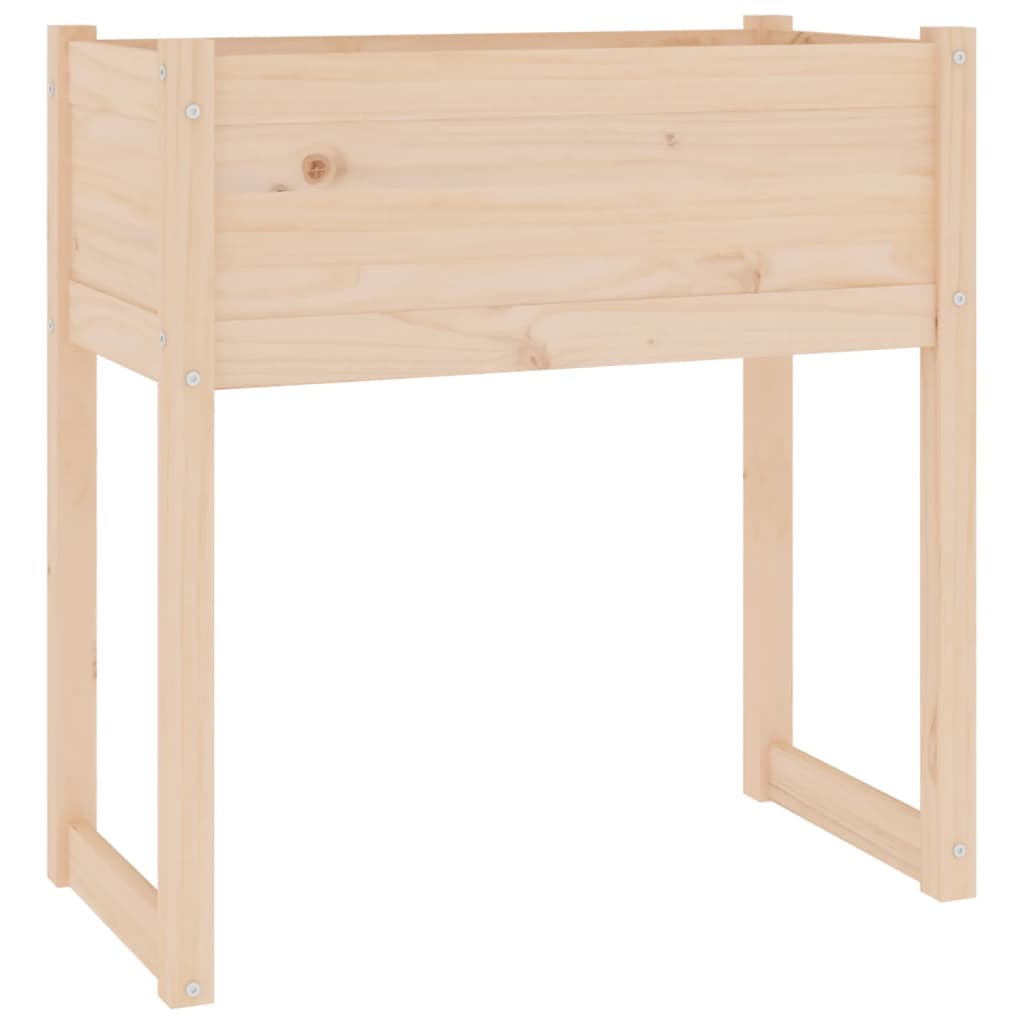
A strawberry that has filled its basket with roots will slow down and fruit poorly. Move it to a pot before that happens. Choose a pot with drainage, fill it with fresh potting mix, and set the crown at the same level it sat in the garden. Water it in and keep it in a bright spot. The guide to planters and pots can help you choose a size that gives the roots room without drowning them. After repotting, give the plant a week to settle before you expect new flowers. You can also pot up runners to start new plants.
Common problems and what causes them
| Problem | Likely cause | Fix |
|---|---|---|
| Flowers drop without fruit | No pollination | Brush each open flower every day or two |
| Berries small and few | Too many fruits, low light, crowded roots | Thin flowers, move light closer, repot |
| Leaves yellow and soft | Overwatering or weak feeding | Check the manual, refresh water, follow the nutrient schedule |
| Brown or mushy crown | Crown buried or too wet | Lift the crown above the medium, improve airflow |
| Long bare stems, few leaves | Light too far away | Lower the light so leaves stay compact |
| Runners everywhere, no flowers | Energy going to runners | Cut runners close to the plant |
| Tiny insects on leaves | Pests brought in from outdoors | Isolate the plant, wipe leaves, remove badly affected ones |
Keeping plants productive
Strawberries in a countertop garden are a long game. Give them steady light, steady feeding, and a little attention each day. Hand-pollinate, trim runners, and remove tired leaves. When a plant slows down, repot it or start a fresh runner. If you also grow larger fruiting plants indoors, the guide to growing tomatoes in an AeroGarden covers similar habits: strong light, hand pollination, and pruning for airflow. Strawberries reward patience more than speed, and a well-tended plant can keep fruiting for months.
Common questions
- Can you really grow strawberries in an AeroGarden?
- Yes, but choose everbearing or alpine types rather than June-bearing ones. The plants stay smaller and fruit over a longer season. Expect smaller berries than outdoor plants and plan to move each plant to a pot when the roots fill the basket.
- How long do strawberries take to fruit indoors?
- From seed, it can take several months before you see flowers. Started plants or runners usually flower sooner, often within a few weeks of settling in. Light, nutrients, and hand pollination all affect how quickly fruit appears.
- Do I need to pollinate strawberry flowers by hand?
- Yes. Indoors there are no bees or wind to move pollen. Use a soft brush or cotton swab and touch the centre of each open flower every day or two. Unpollinated flowers dry up and drop without making fruit.
- Why are my hydroponic strawberries so small?
- Small fruit is common indoors because light and root space are limited. Thin the flowers so each plant carries only a few berries at a time. Keep the light close, feed on schedule, and repot if the roots have filled the basket.
- When should I move a strawberry plant out of the garden?
- Move it when the roots fill the basket or the plant stops flowering. Choose a pot with drainage and set the crown at the same level it sat in the garden. Give it a week to settle before expecting new flowers.
AeroGarden is a trademark of its owner. My Garden and Lawn is not affiliated with it and does not sell AeroGarden units; the advice here applies to any countertop hydroponic garden.